










Contextual advertising is a form of online advertising that involves the targeted placement of ads for display amongst relevant content. Many of the major search engine companies that offer pay per click advertising also feature contextual advertising systems, such as "Google AdSense" or "Content Match" offered by Yahoo! Search Marketing. It's all about effectively targeting interested consumers at crucial stages during the process of product or information research. It is a sophisticated method of online marketing and is adaptable to the various needs of different businesses.
This sounds like a lot of industry speak, and many of our clients would still be asking, "Ah, right, but what is contextual advertising?
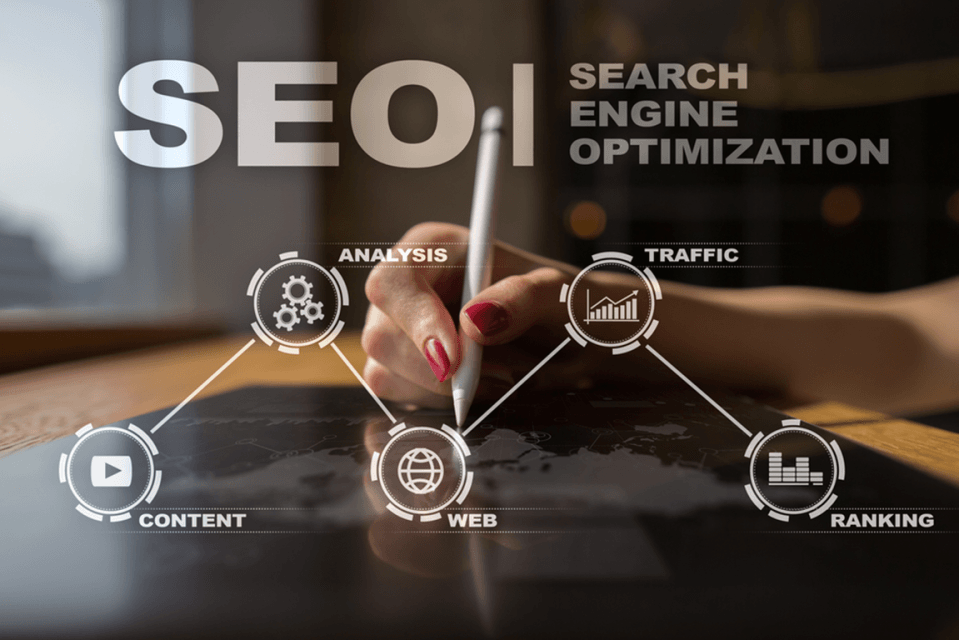
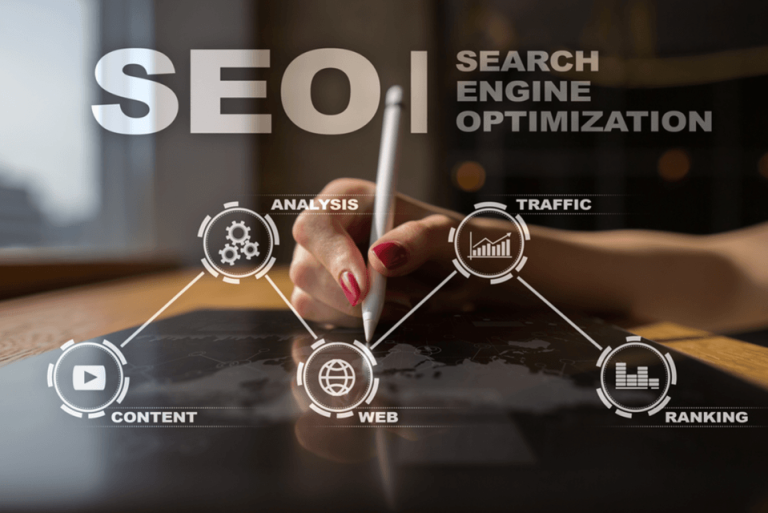
As we all know, search engines have long been the hubs of online advertising activity. They provide an entry point to the internet for a majority of web surfers and many businesses work hard to ensure their website is visible to potential consumers by employing search engine optimisation techniques (SEO) or purchasing pay-per click campaigns (PPC) to achieve a high ranking amongst relevant search results.
Both of these online advertising methods are undoubtedly important to businesses of all kinds. However, larger companies often possess the buying power to bid with greater success for the most popular keywords, or have the advantage of greater resources to ensure SEO results. The need for alternative methods of online advertising delivery resulted in the emergence of a different type of contextual advertising.
Some aspects of these systems operate in a similar manner to PPC programs, in that the advertiser pays when the ad is clicked. The main difference is the placement of the ads. Systems such as AdSense match ads from their advertising inventory to Web content that is included in their "content network" (an example would be YouTube for Google or Flickr for Yahoo). Websites that are part of an advertising system's content network are encoded to call up relevant advertising when there is user traffic. The contextual advertising server provides this by assessing the keywords in the content that is being viewed. When an advertisement is clicked it provides revenue to both the website that hosts the advertisement and the ad server.
Content-based websites (such as publishing sites) that feature focused information pertaining to a particular topics through regular newsletters, articles and blogs can benefit from adding contextual advertising to their sites. Each time an Internet user clicks on one of the ads and leaves the site, the host site gets a fee.However, it is important to maintain a high standard of information and regular updates in order to attract the audience to re-visit the site, seeing as the aim of contextually placed ads is essentially to attract viewers to their own content-related sites.
Contextual advertising provides real exposure opportunities to businesses beyond initial search rankings and can provide vast benefits for small businesses by saving time and money in finding online target markets. So now you no longer need to ask "what is contextual advertising", it's time to make it work for you.
Animation can be used to create a memorable online experience, making your website stand out from the competitors' pages and pages of content. If an animation is interesting or even light-hearted or humorous, it can generate positive feelings towards your company. It leaves visitors with a smile on their face or a thought on their mind, and this will eventually lead their thoughts (and hopefully smiles!) back to you.
Your moving animation could be something as simple as a moving logo, to something more complex has a fully animated and interactive website or movie designed to tell a story. Maybe it could be a viral email campaign. All of these can be used to tell the story of your company or service, and create a memorable user experience that encourages the site visitor to bookmark and spread the word.
One must consider the primary objectives of the website. First of all is the primary objective of the website to promote and convey the company brand? If so how will animation on a website achieve this? Will it achieve it?
Of course an animation can be incredibly useful in giving information about the product or service that your website is offering, or perhaps your company's Unique Selling Point. The idea is to use the animated video to convey important information that may be a little too difficult (or expensive) to convey through simple images, texts or live videos. An animation can be effective in expressing the 'feel' of a service, product, or company that can often get lost in text - and which could well be the thing that makes that one person choose you over others. A moving animation, through providing information, can help sell your product or service, and ultimately generate more revenue.
Often a company has so many products or services that it is difficult to convey all of that information using just text and imagery. This is when video can be very effective. For example, real estate websites are increasingly using animated 'fly-through' to allow the visitor to 'see' the property and move around inside it. Similarly, event websites often feature 'virtual tours' of the properties that they rent out for weddings and events which the viewer can virtually walk through and get a feel for the place they will potentially rent out.
And of course moving animation can be used for general advertising. Rather than filling your website with advertisements that have visitors averting their eyes quicker than they can say 'another ad', sell your product or service in an interesting, exciting way with your animation. Save your text space for valuable information, and make use of the decision a visitor made to click 'Play' - up-sell, cross-sell or simply sell what you have to offer in a way people haven't seen before.
To get an idea of what to use animation for on your business' website, have a think about what you would like to use it for. What is the primary objective of the website - is it to promote and convey the company brand? If so, then how will animation on a website achieve this? What sort of visitors do you want to attract and what would they like to see - something informative, or something humorous?
Different forms of moving animation can convey different things. Some examples are:
Each has its perks and can be useful if used in the correct way. An animated slideshow, for example, can display numerous examples of your products or services, allowing the viewer to see multiple images on the one page without having to search, click, or scroll. People love 'how to' videos, as their immense popularity on YouTube clearly demonstrates. If they're animated, then they are all the more interesting and unique to your company's brand. They can even feature an 'avatar', whereby an animated likeness of your person is created and used to get your message across.
A moving animation can be what makes your website stand out from the rest. It can assist in defining your business brand, and make for a memorable experience for visitors to your website.Contact us today for more information on creating a moving animation that is personalized to your company.
To learn more about the different forms of digital animation terminology, check out our FAQs.