











Does content personalisation risk breeding contempt?
Even
though the internet is an intimate medium, the old saying still holds
sway. Too much familiarity with your customers might result in
provoking a proverbial slap. Think about the mass, but personalised
emails you receive every day. The newsletter lists you are on. The
websites you visit that remember your name. Sometimes it's nice to be
the recipient of a small gesture of personalisation and other times it
just seems kind of ... phony.
Personalised content can be a very powerful and appealing
feature to your website. But too much in the wrong way can also turn
users off. As long as you're asking: what will be helpful to my
customers? And not: what groovy thing can my content management system
do? Then you should be able to find the right balance.
Personalisation can get it right when it comes to products
More and more often, the internet is drawing analogies with
the corner store, the local neighbourhood, the shared community. As the
number of sites and the amount of information increases exponentially,
users respond by narrowing down their trusted sites and becoming return
visitors to those with whom they develop loyalty and trust.
Just like having your favourite shops to which you navigate
for sports shoes, special occasions, hobby magazines or ice cream. In
this context, personalisation makes sense. In the shoe store, the
attendants may well know your name. Or at least they will be able to
see your gender, size and perhaps a record of past purchases in the
store. This is useful to you as it saves you time.
So if you are selling a product (or range of products) online,
personalisation could be a wise move. If a new or existing customer is
looking for something specific, they will usually have the time and
patience to either answer a few questions, or drill down through a few
screens to make sure they get what they want. As they do this, you can
gather information about them in a non intrusive way, which will then
be of assistance when they return.
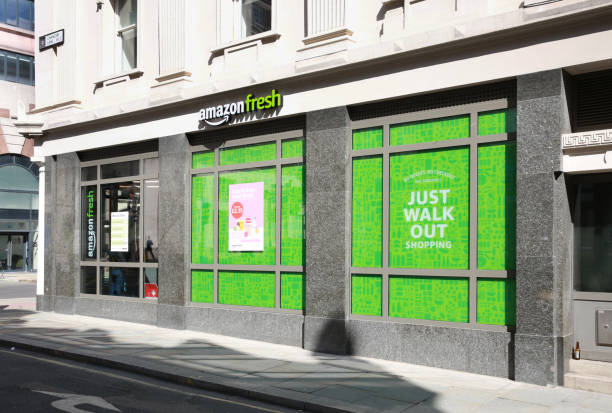
Amazon is the most touted example of online personalisation
that works. This is because the process is invisible. You make a
purchase. Next time you visit, suggestions or specials pop up that
compliment that purchase. Books by the same author or on a similar
subject. Of course Amazon has the advantage of being a massive company
with an enormous data base - of both customers and products. But with
dynamic content you can initiate a similar process with your own data
base.
Keep any questions or field selection processes brief and easy
to navigate. Especially when gathering data early on. If you then
reward the information customers give you with something concrete (such
as a special offer) it is likely they will accept the personalisation
and happily return to your site. Thus developing the relationship
further.
When personalisation approaches stalking
There are two main problems to be aware of when it comes to
content personalisation. Time and privacy. And they are two of the
biggest factors that influence people's internet use.
If your personalisation process requires a user to choose
between various features, modes, designs, start up options and menu
choices, chances are they will jump out rather than go forward. Web
searching is all about time. Personal and social network sites are a
different matter. People set them up specifically to be statements of
personality and style. But this means they have neither the time nor
the need for their mortgage broker's website to demand the same level
of personalisation.
Abuse of information is the most feared element of any online
transaction. You have to gain the trust of your customers before they
will give you too much information. And even if they use your site
regularly, it will be for a specific purpose and one that may have
nothing to do with them disclosing details about themselves. If any new
or existing customer gets a sense you are asking for more than they are
willing to give they won't hang around and they certainly won't be
back.
Consider the context of your site in your customer's life
Be realistic. If your customers visit your site to buy gifts
on a regular basis, an element of personalisation is probably
acceptable. Similarly, if your business with them is related to ongoing
knowledge (such as car servicing or beauty therapy), personalisation
can make interactions fast, efficient and valuable. But don't
personalise content for the sake of it and never at the expense of
confidentiality or efficiency.
Trying to predict customers' tastes and interests too much may
result in you stereo-typing them, alienating them and possible even
limiting unexpected queries and purchases. Human beings are complex and
changeable so be careful not to narrow down the options available to
your customer by controlling what they see. Learn more about auto-responders and reputation management. |