


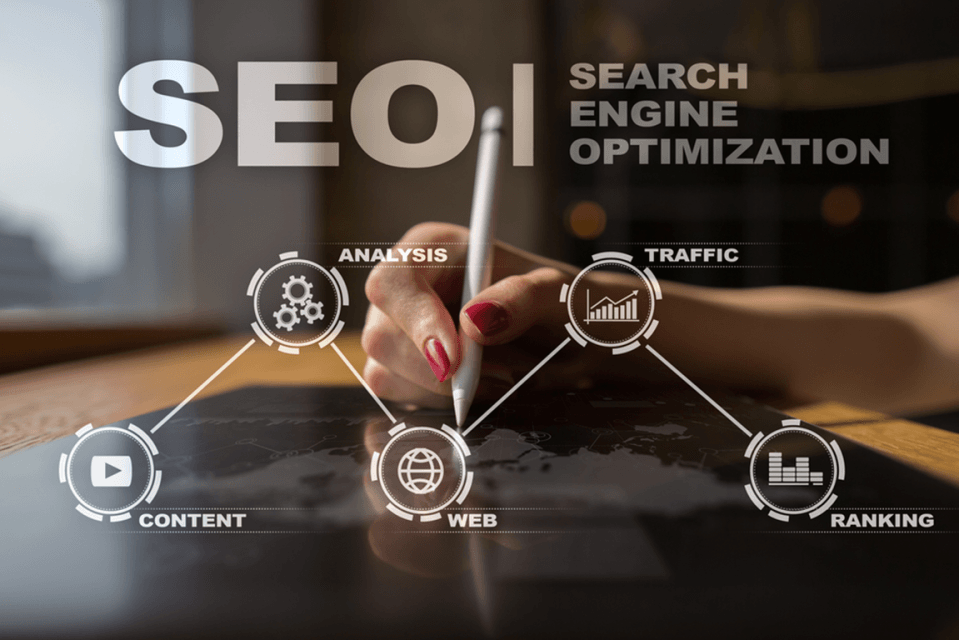






User experience is the next phase in website evolution. Businesses began with creating websites, then learned how to market those websites via SEO and SEM, then learned the importance of reaching out to customers via social media. Customer focussed strategy comes full circle as user experience (also known as UX or CX) rises to prominence in website strategy and design.
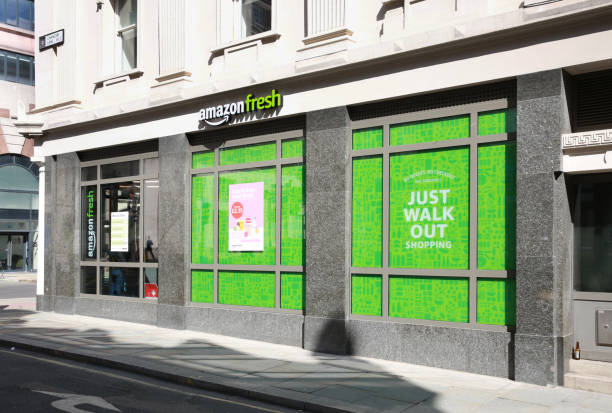
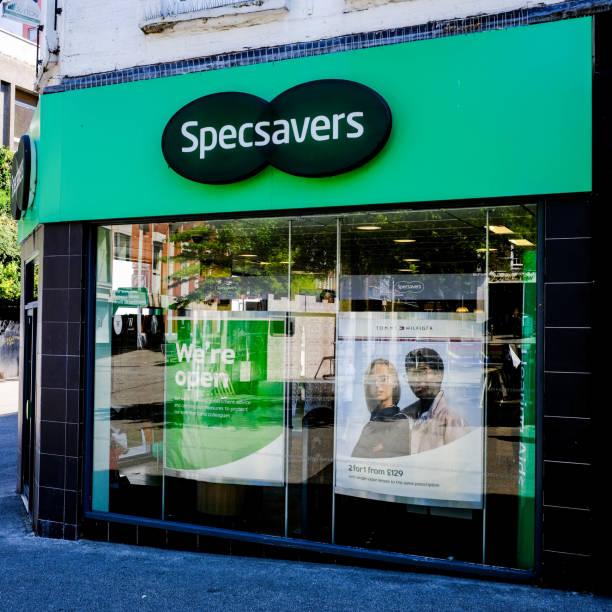
A lot of effort goes into store design, product merchandising, packaging and staff training. And yet websites are still often seen as a separate entity. Don’t you want your online visitors to have as good an experience as your in person visitors? This is even more important for companies that don’t have a bricks and mortar premises.
Briefing consultants and web developers in regards to user experience should be an integrated part of your process.
You can do this informally, by looking at businesses that do it well. Google for example, keeps its home page incredibly clean. People are there to search, make that fast, easy and enjoyable. Or you can employ standard UX design models.
There are a number of companies that will report on the likely performance of different design via test marketing.
You can do this in house, or work with a digital strategist. An interesting thing we found recently was that users don’t trust or use the search option within websites. They prefer to search using the menu structure: drop down boxes and nav bars. This is because the results are often so disappointing, when they are used to getting such strong and relevant results from a Google search.
By using analytics tools, Google Optimiser and Heat Map technology, you can continually monitor the user experience, test and measure new ideas and continue to challenge the status quo.
The aim of all these techniques is to give people what they want and form a relationship that will last.
Nielsen has long been a thought leader when it comes to website usability and this model, while being a few years old, still offers genuine value. Most companies will go through each of these stages. Recent start ups may come in at stage 3 or 4, given the current climate and trends. Where does your business sit in the UX evolution?